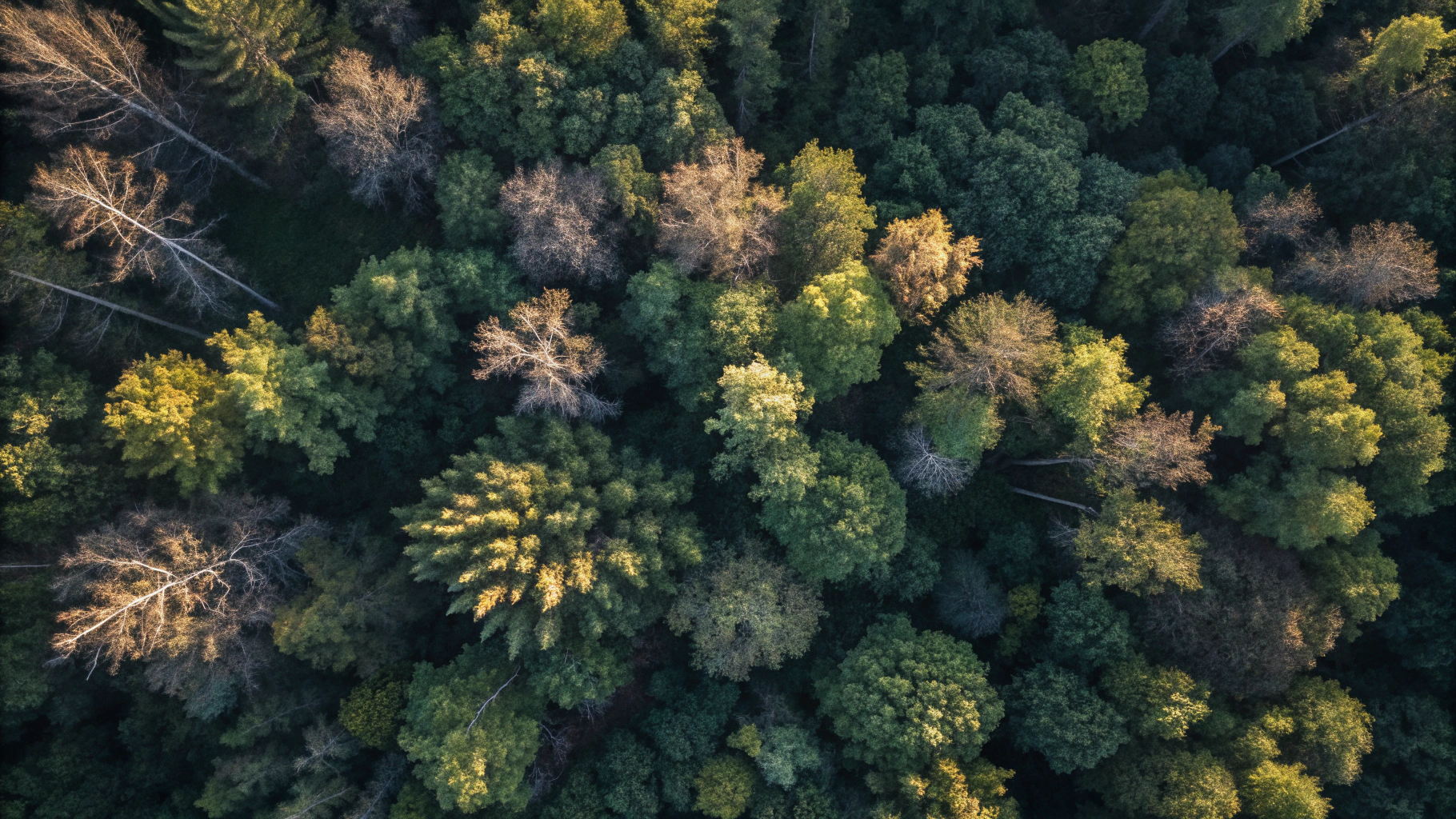
Urban Ecology & Canopy Preservation Expansion
Detailed examination of Argument #01: why safeguarding established soil systems and existing canopy infrastructure forms an indispensable civic shield against environmental degradation.
The Irreplaceability of Mature Urban Canopy
Newly planted saplings require 30 to 50 years to achieve the carbon sequestration capacity, microclimate cooling power, and rainfall interception of a single mature tree. Urban development plans that propose replacing existing woodland with sapling offset credits create a multi-decade ecological deficit that cannot be mitigated.
Scientific Context & Soil Architecture
The soil profile surrounding the project perimeter represents centuries of biological accumulation. Beneath the canopy sits a complex fungal mycorrhizal network that stabilizes subterranean hydrology, purifies urban groundwater, and binds soil particulates against severe rainfall events.
When heavy machinery alters this topsoil, compaction destroys the macropores required for oxygen and water exchange. Association Perirasude advocates for rigorous preservation of these living soils, presenting empirical evidence gathered by independent arborists and environmental scientists.
Quantifiable ecological functions provided by the protected canopy corridor.
Mature canopy trees transpire hundreds of liters of water daily, reducing local ambient temperatures by 2°C to 4°C during critical summer heatwaves.
Peak summer temperature reduction
Deep root networks slow surface runoff, filter ground pollutants, and prevent soil erosion along sensitive civic borders and natural channels.
Water absorbed per tree annually
Preserving unbroken canopy continuity maintains crucial movement corridors for avian species, local pollinators, and beneficial urban micro-fauna.
Protected wildlife & insect species
Centennial trees act as non-stop airborne particulate traps, sequestering heavy carbon emissions and improving neighborhood particulate levels.
CO2 sequestered per tree each year